



K2 Beef is Certified Organic & Grassfed. Produced using low stress, regenerative animal & land management systems in the Mary Valley, Qld and the Surat region of Western QLD. Australia.
K2 Organic Beef is not only ethical, regenerative and Certified Organic, it is Pasture Raised (some call Grassfed). K2 is referred to as the “missing link” vitamin and has very few sources in modern diets. Animal fats and organs are one source however once grain is added to the diet (as is common in many production systems), the K2 is lost.
K2 Organic Beef was founded in the Mary Valley by organic producers Tim & Amber Scott
Because K2 Beef is from entirely pasture fed animals it is seasonally affected. This mirrors exactly what happens in nature but does mean at certain times of the year (late winter usually) the pastures in the Mary Valley slow down and so does cattle growth and we cannot keep up with demand.
To even out supply and ensure you always have access to certified organic, 100% grassfed and regeneratively farmed beef, Tim and Amber have teamed up with friends and fellow graziers from Western QLD (who share the same food production and environmental values and have organic certification).
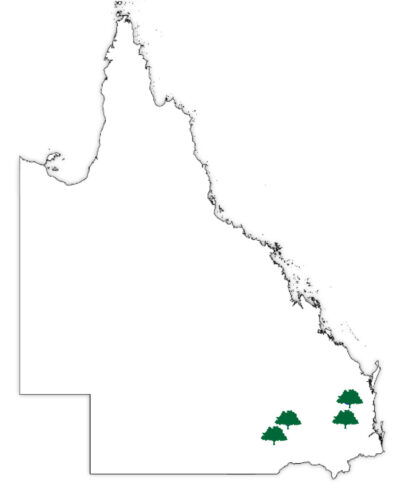
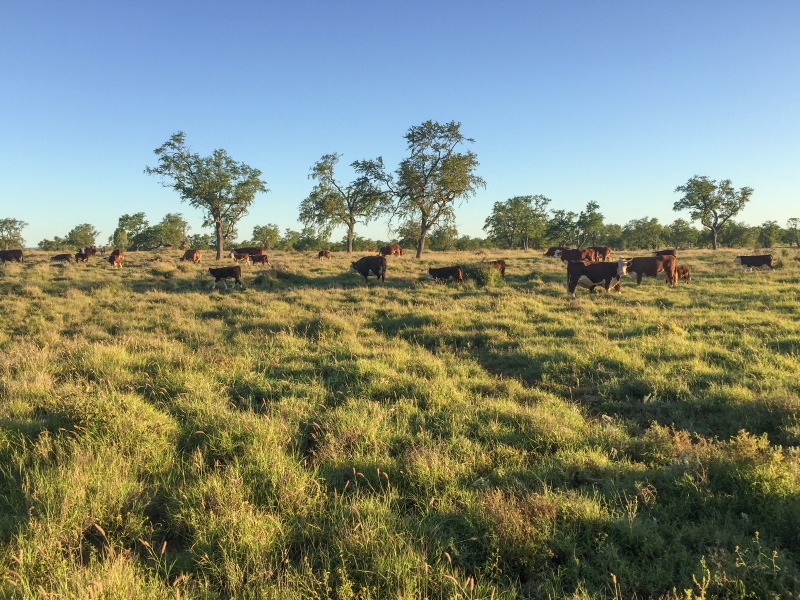
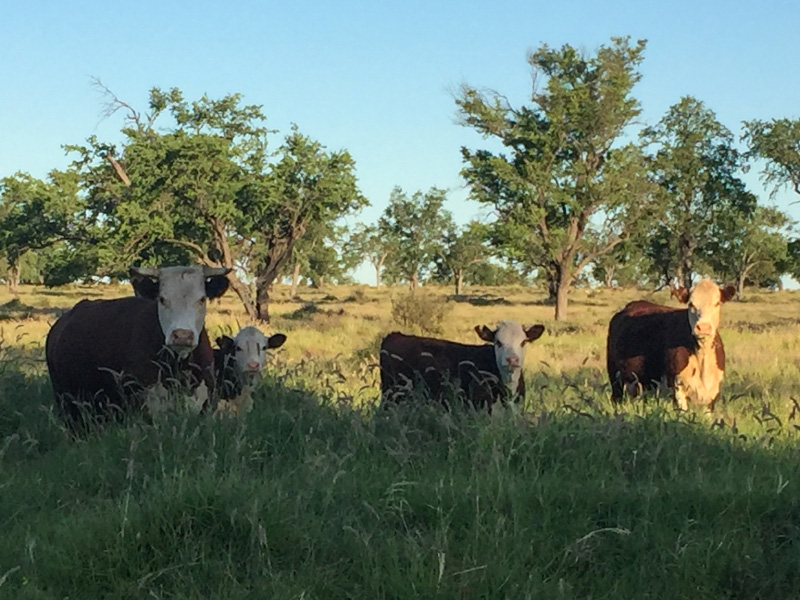
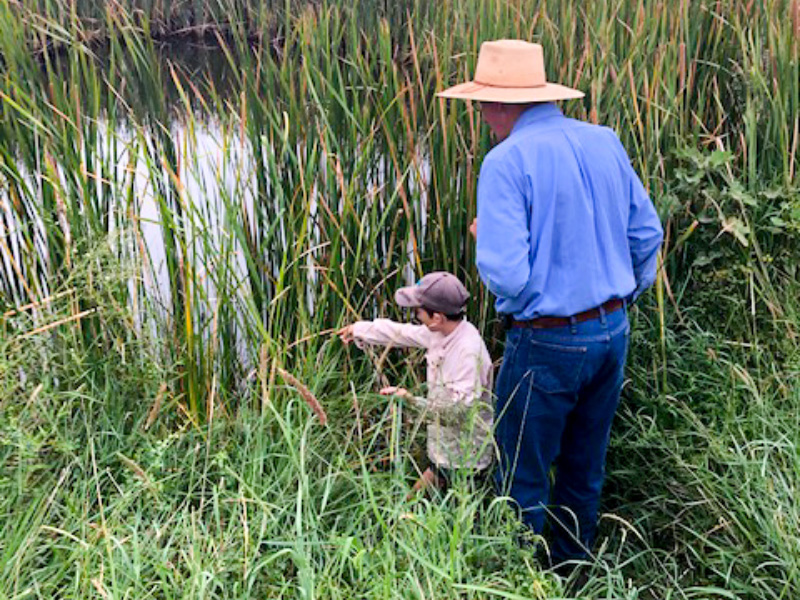
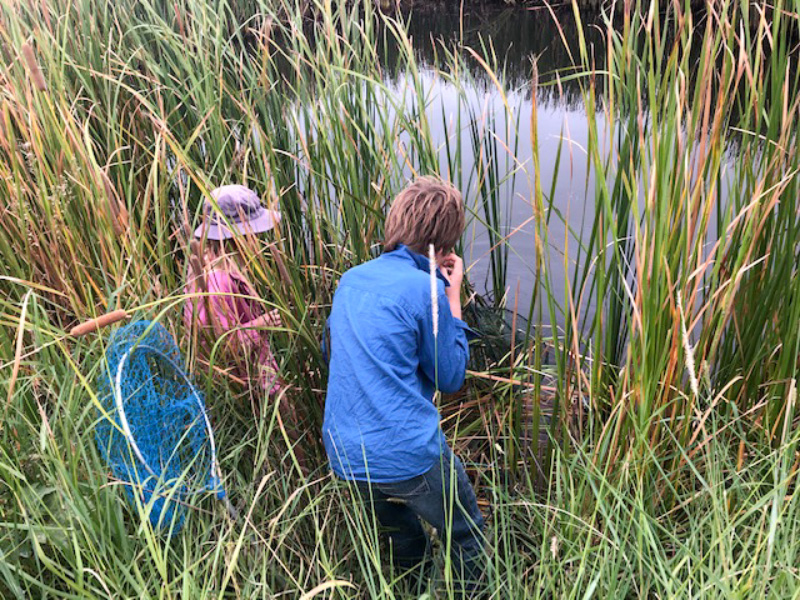
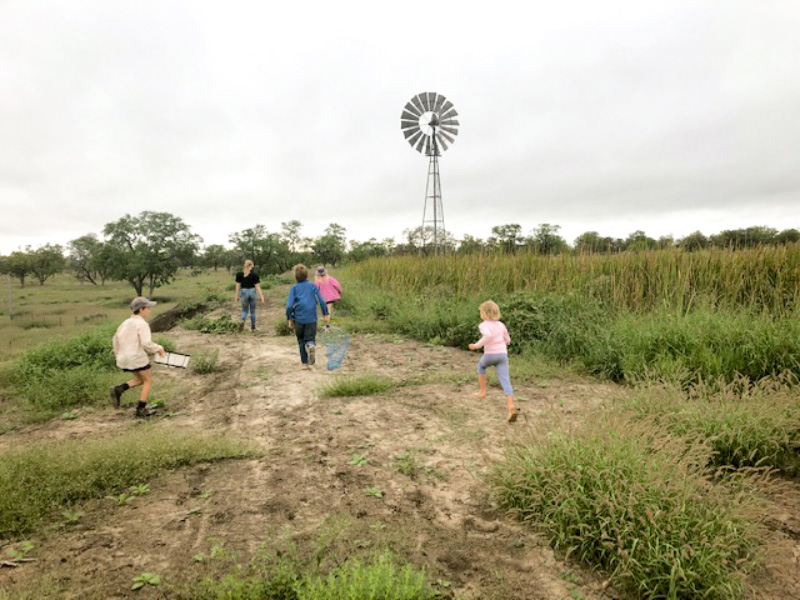
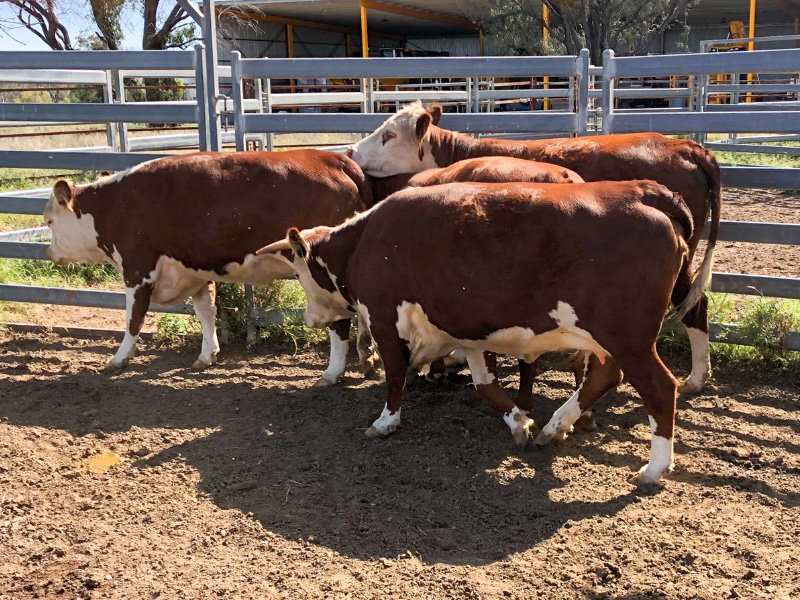
No third parties are involved and whole of life traceability for every animal is maintained. This means K2 Beef comes from animals that have never been traded through saleyards or even via private sales to different owners. We know for sure our animals have been managed in a way that is in line with natural landscape function and honours natural animal behaviour. We use software called Agriwebb to keep records which means we can tell you which paddock they have been in and when for their entire lives as well as what minerals supplementation and homeopathic nosodes they have had access to.
ALL K2 Beef is Certified Organic & Grassfed. All animals are handled with low-stress techniques and are managed to honour their natural behaviour in the wild (without the actual predators or risk of starvation that drives most behaviour…).
There is no need to compromise between quality food production, positive environmental outcomes and ensuring animals have a great life fulfilling their vital role in ecosystem function – because plants and animals evolved together – and working in tune with nature results in the best food for you.

 WHAT IS K2 BEEF?
FREQUENTLY ASKED QUESTIONS
We have just about every breed you can name! We don’t subscribe to a particular breed but instead look for characteristics. For our breeding cows we are looking for resilience, fertility, temperament and mothering instinct. We choose bulls for meat quality and temperament. We like small calves that grow quickly into little nuggets and that thrive on grass. What we have learnt is the power of epigenetics – the evolution of our animals along with our landscape – multigenerational calves are naturally adapted to our ecosystem meaning they are more resilient and able to thrive on the plants growing in our landscape from birth.
We don’t offer 1/4 animals etc. A true 1/4 etc includes offal, bones, fat and our experience is that most people don’t want this. Also when you see a cheap price per kg of 1/4 beast etc it usually includes the cost of the bones and offal which are low value and effectively subsidising the prime cuts (bones are pretty heavy) – its something to be aware of. You may also be paying based on Hot Carcass Weight (HCW) rather than actual received weight so keep that in mind too when comparing pricing.
However, we love to support other small businesses as that contributes to dynamic and more resilient communities! As such you can find our beef at several independent retailers – listed above – please support them! Ask them if they will do a bulk buy special (Kandanga Farm Store does. You won’t have to pay the freight you would be up for if buying direct from us. If there is a business in your area that you would like to get to supply our beef then
Great question! To be honest we are getting a bit sick of the word as it gets bandied about so much, oftentimes without any substantial on the ground actions to back it up. We take our responsibility to improve our landscape very seriously so below is what we mean when we say regenerative. Not everyone is the same though so it’s always best to ask!
- We let all things grow – the more the better in our books as multiple layers of green leaf cover harnesses the most solar energy which feeds the soil and contributes to complex, dynamic ecosystems. It also gives variety to our animals in their diet. A chomp of a weed can provide medicinal benefits. We don’t want to eat one thing day in and day out, and neither do our animals. Yes this means we embrace weeds.
- We maintain living roots in the soil all the time and do not bare the soil. Soil needs plants just as plants need the soil. Bared soil with nothing growing results in decreasing fertility, ecosystem collapse and susceptibility to explosions in undesirable ‘pioneer’ plants and opportunistic pests.
- We seek to engage with natural landscape function – letting plants filter and slow water flow; managing animals to move through the landscape as a herd with appropriate recovery periods to allow plants to regrow without continual animal pressure. This cycle mirrors what occurs in healthy grassland ecosystems. We are also revegetating our farms with purposeful tree plantings to create more levels of green leaf cover, wildlife habitat, soil stability and heat and wind protection.
- Animals are essential to ecosystems. Plants and animals evolved together and need each other to survive and thrive. Animals cycle and contribute to the nutrition of plants just as healthy plants sustain animals. Animals are never the problem – the way humans manage them is what determines if a landscape degrades or builds.
- Biodiversity, Biodiversity, Biodiversity. We want complex, dynamic ecosystems that don’t need our intervention to exist. The more syntropy that exists the more resilient and healthy the ecosystem. Grasses, forbs, shrubs, trees, weeds, animals, reptiles, insects – the more the better.
- Regenerative farms should be good for the animal, the landscape, the farmer and the community. Farms are meant to be resilient, self supporting ecosystems with no waste and increasing fertility and abundance. Farming underpins our entire civilisation (without farmers we are all hunter gatherers with no time for anything else) so thriving, healthy farms are essential to thriving, healthy communities that can enjoy the beauty of human expression in art, architecture, music etc. When farmers outsource their farm fertility and health to multi-national, synthetic soil and animal amendments, insipid decline follows, small towns disappear, health deteriorates and humanity becomes impoverished. We employ locals and pay above award rates, some of our products (fat for example) is turned into other products (tallow skin balm) by other locals with their own small businesses. This builds community resilience, opportunity, identity and stands up to the boring homogenisation of the world! And our activities are contributing to healthier local ecosystems – there are some who won’t see past the weeds in our paddocks and the lack of bowling green type conditions… but we still wish for them the results of our activities – clean water, environmental resilience, stable food supply, thriving ecosystems, safe and nutritious food, opportunities and wellness.
- There is no place for poison in the food chain. Not all ‘regen’ farmers agree but we believe a truly regenerative approach means focussing on life not on control and death. Nature doesn’t have waste – an explosion in the population of something (pests, weeds etc) will over time encourage species that feed on that exploded population. This is evolution at work and the constant jostling of species create dynamic, resilient ecosystems. Working with nature, rather than in spite of her, is a slower approach and takes trust and patience. With sensitive management we can fast track the changes but there are no silver bullets!
Yes, as is all beef currently produced in Australia. A note on mRNA – mRNA vaccines for animals are in the research and development phase worldwide. There is a lot of panic around this vaccine and claims that products are mRNA free are meaningless as, at this stage, everything is. IF the mRNA vaccine becomes available and IF it becomes mandated, we would oppose its use. Under the Organic Standard no GMO’s are allowed in our production and as mRNA is a GMO we are hopeful this would preclude us from a mandate.
In a nutshell, to achieve organic certification we must adhere to a very strict National Organic Standard which says amongst other things that animals can never be exposed to any synthetic chemical or GMO at any stage during their life or even during processing – that means no chemicals are applied to them or any of their food (pasture) or during the processing ever.
If an animal required veterinary intervention it would lose its organic status and can never be sold as organic. Likewise, animals that were not born into a certified organic system can never be sold as certified organic. We have some bought in breeding cows from non organic farms that are run under our organic management – while their calves can be sold as organic the cows cannot.
We are audited by our overseeing Certifier at least twice a year and must keep very comprehensive records from farm to packet. We take this a step further with full DNA traceability and our on-farm software allows us to track where animals are and what minerals etc they have had access to for every day of their lives.
The abattoir and butcher must also have organic certification to maintain organic status along the chain (they usually have specific dates and times that they process organic meat to ensure complete separation). If we and the meat satisfy the requirements we are required to display our certification symbol and unique Certification Number on our packaging. K2 Beef is certified with Southern Cross Certified and our number is 20146.
If you see a product marketed as Organic without a Certification logo and number then it is NOT Certified Organic.